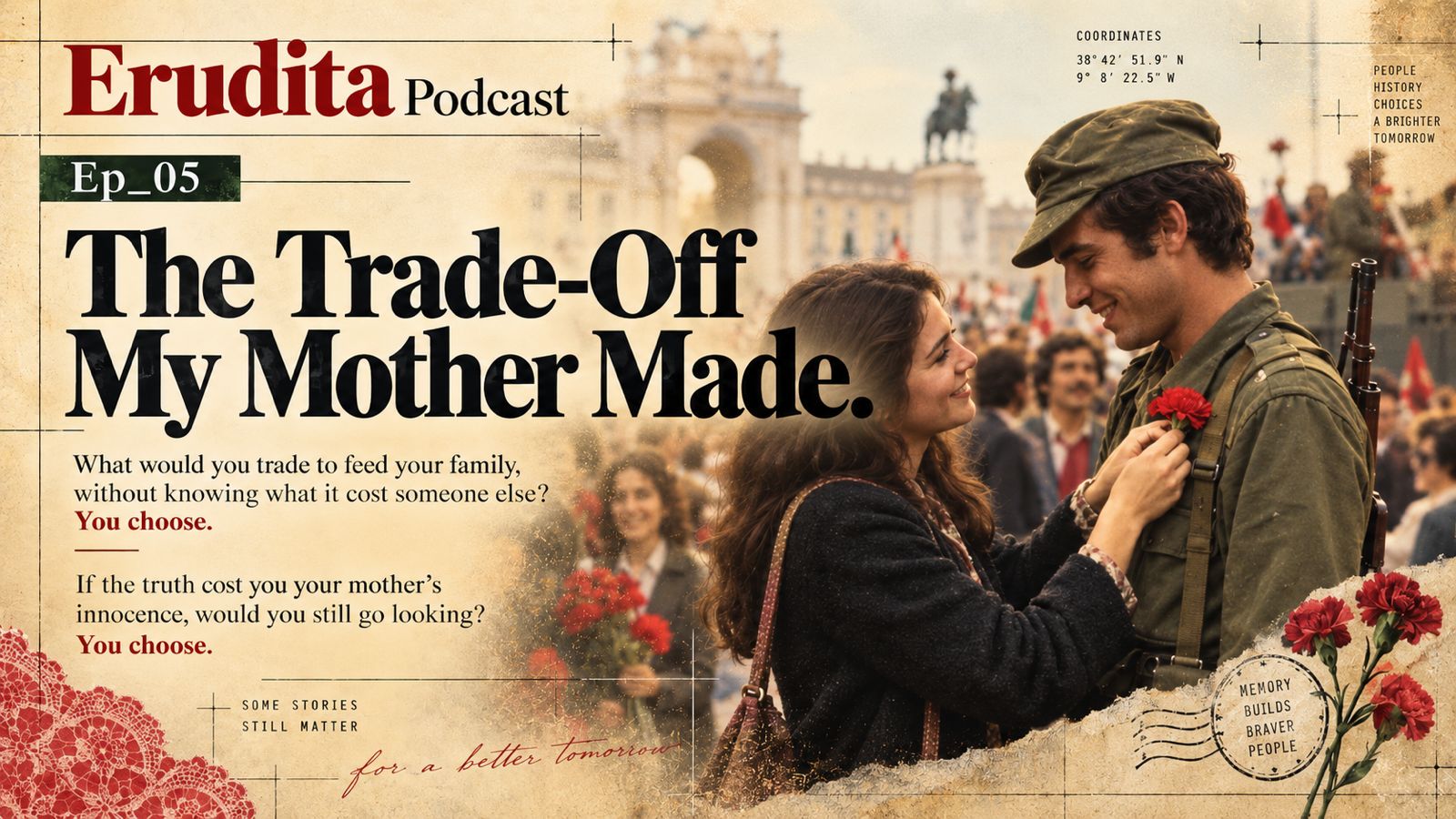
Ten players enter the game.
But not all of them can move.
Some are trapped inside the phone - voices, faces, memories, and wounds suspended in the digital world. They know fragments of the truth, but they cannot reach the places where the evidence is hidden.
They need human allies in the real territory.
They need someone to walk with them, listen, question, decide, and carry their story forward.
Together, they must uncover what was buried, expose what was protected, and fight for a justice that history tried to erase. But the real question is not whether they will find the truth. The real question is what they will become when they do.


Ten players enter the game.
But not all of them can move.
Some are trapped inside the phone - voices, faces, memories, and wounds suspended in the digital world. They know fragments of the truth, but they cannot reach the places where the evidence is hidden.
They need human allies in the real territory.
They need someone to walk with them, listen, question, decide, and carry their story forward.
Together, they must uncover what was buried, expose what was protected, and fight for a justice that history tried to erase.
But the real question is not whether they will find the truth. The real question is what they will become when they do.
The Truth is out there. Trust no One. Deny Everything. But You need to Believe

The Archive Begins

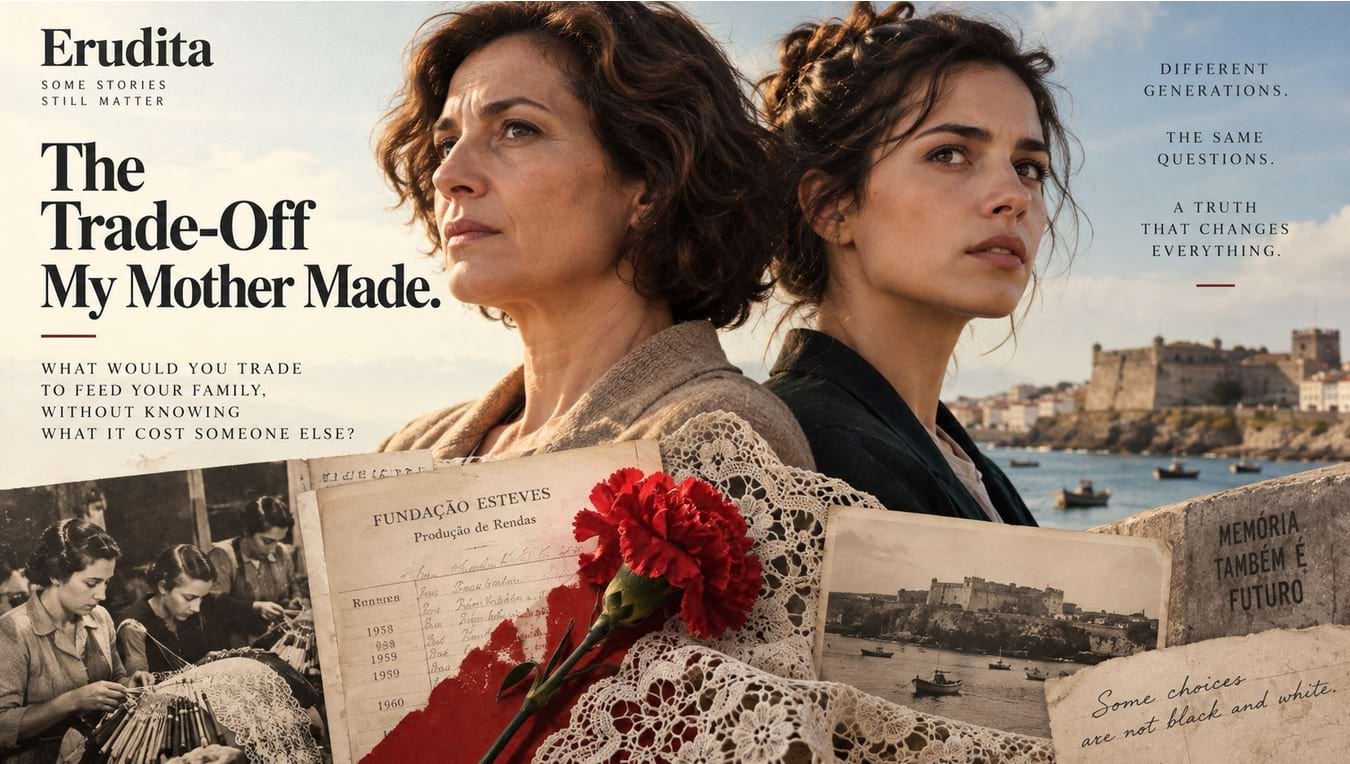
The game begins with a name that should not be there. A cultural report, a parish register, a disappeared citizen, and the same foundation stamped across the evidence. Sofia sees the pattern from inside the phone, but she cannot reach the church, the harbour, or the archive rooms where the city kept its silence. She needs a human Seeker to move for her, to read what others ignored, and to decide which trace is worth carrying forward. Every step may expose a collaborator, or damage someone who was already wounded by history. The map looks simple, but each coordinate opens a moral door.

When evidence starts speaking, who will you protect first: the truth, the living, or the dead?

The Human Partner

Your character is not a costume. Sofia, Daniel, Marta, Rui, Isabel, or Tomás remain inside the phone, speaking through fragments, fear, memory, and doubt. You are the one who walks. You are the one who chooses whether to trust them, challenge them, or leave something unread. The digital voice can push, plead, or break, but only the human Seeker can cross the city and answer the platform. Each decision gives points, but the real score is invisible: how much responsibility you accept for a story that was not yours. The game watches how you carry someone else’s wound.

When someone else depends on your movement, what kind of ally will you become?

The ERUDITA Code

In the museum, the lace looks innocent. Threads, patterns, patience, heritage. But the Erudita code was built to hide names in plain sight. What visitors admired may also have carried sentences, warnings, and betrayals. The phone gives you a clue, not an answer. A character recognises one symbol, another remembers a family silence, another wants the object destroyed before it speaks. You must decide whether beauty can survive after its hidden use is exposed. The game asks you to read culture as evidence, not decoration. If the museum keeps the object, it also keeps the crime visible.
If an object is both artwork and weapon, what should be saved, and what should be condemned?

The Final Gathering

By the end, the phone is full of voices and the city is full of evidence. The Seekers arrive carrying documents, suspicions, and the decisions they made for people who could not move. No character is complete alone. Sofia has one fragment, Daniel another, Marta a wound, Rui a silence, Isabel a map, Tomás a shadow. The final encounter is not a victory screen. It is the moment when human players decide what to do with a truth that can accuse, heal, divide, or liberate. The game may end in three hours, but the responsibility does not. The hidden archive has found witnesses. Now testimony needs action.
Once you have helped the truth escape, what will you do with it?

ERUDITA is a fictional game and narrative experience inspired by the history, cultural heritage, and traditions of Peniche.

The characters, events, organisations, documents, and relationships portrayed in the story are fictional unless explicitly identified as historical facts.

The Esteves Foundation is entirely fictional and has never existed.

Likewise, there is no historical evidence of any connection between the ERUDITA bobbin lace pattern and the Estado Novo regime, nor of bobbin lace being used in the manner depicted in the game.

Any such connections presented in ERUDITA form part of the fictional narrative created for the purposes of gameplay, investigation, learning, and critical reflection. They should not be interpreted as statements about real people, institutions, historical events, or the traditional lacemaking heritage of Peniche.